Best Ceramic Smart Pet Water Fountain in 2026: Quiet, Hygienic & OEM-Ready Hydration Solution for Cats and Dogs
 ·
·
Updated Jul 10, 2026
·
9 min read
·
58 reads
·
·
Updated Jul 10, 2026
·
9 min read
·
58 reads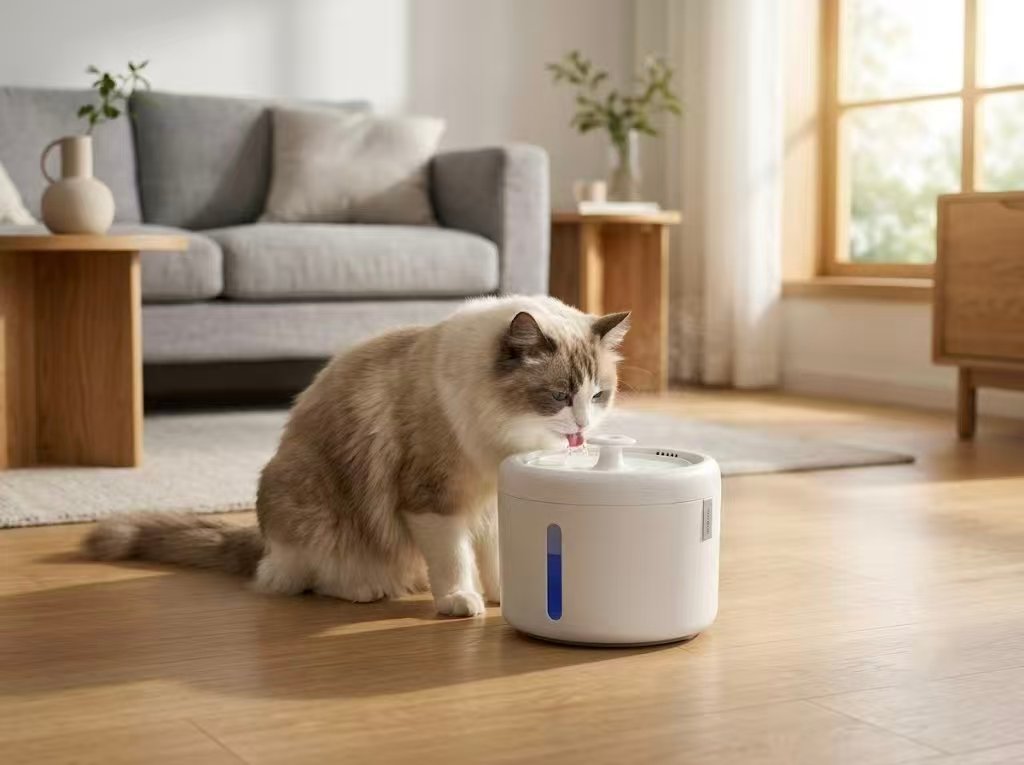
On this page
The ceramic smart pet water fountain worth taking seriously in 2026 is the Mesete MS-WF-250, a hand-finished, ≤20 dB unit built for brands that want a premium hydration story without engineering it from scratch. If you’re a pet parent obsessing over your cat’s chin acne, or a private-label operator sniffing around the “smart pet” shelf space, this is the specific corner of the market I’ve been digging into. Ceramic, quiet, IoT-ready, and (this matters) actually manufacturable at scale.
The pet water bowl used to be a boring commodity. A dish. Some tap water. Maybe a splash of enthusiasm from the cat, maybe not.
That era is fading fast.
Veterinarians in the US and EU have been sounding the alarm for years about chronic under-hydration in domestic cats, which links directly to urinary tract infections, kidney diseases, and a whole rogues’ gallery of preventable feline ailments. Dogs get slightly better press, but the story is the same. Water intake matters, flow encourages drinking, and standing water in a plastic bowl is arguably one of the least appealing options you could offer a picky animal.
The market noticed. Petkit, Catit, Xiaomi’s ecosystem players, and a swarm of DTC brands piled in with plastic fountains, then stainless steel, and now the ceramic wave is cresting. Not because ceramic is trendy for its own sake, but because it solves the two problems plastic never really did: bacteria and aesthetics.
Why Ceramic, and Why Now
Here’s what I keep telling people who ask me about this category: the material isn’t a marketing flourish, it’s the whole point.
Plastic scratches. Even the good stuff. Once the surface gets microabrasions from a cat’s tongue or a scrubbing sponge, biofilm sets up shop, and biofilm is where the real hygiene problems begin (feline chin acne, off-tastes, that faintly swampy odor after four days without a deep clean). Stainless steel dodges the biofilm issue but introduces its own quirks. Hard water scaling, an industrial look that clashes with most kitchens, and a tinny resonance from the pump that some shy cats absolutely refuse to approach.
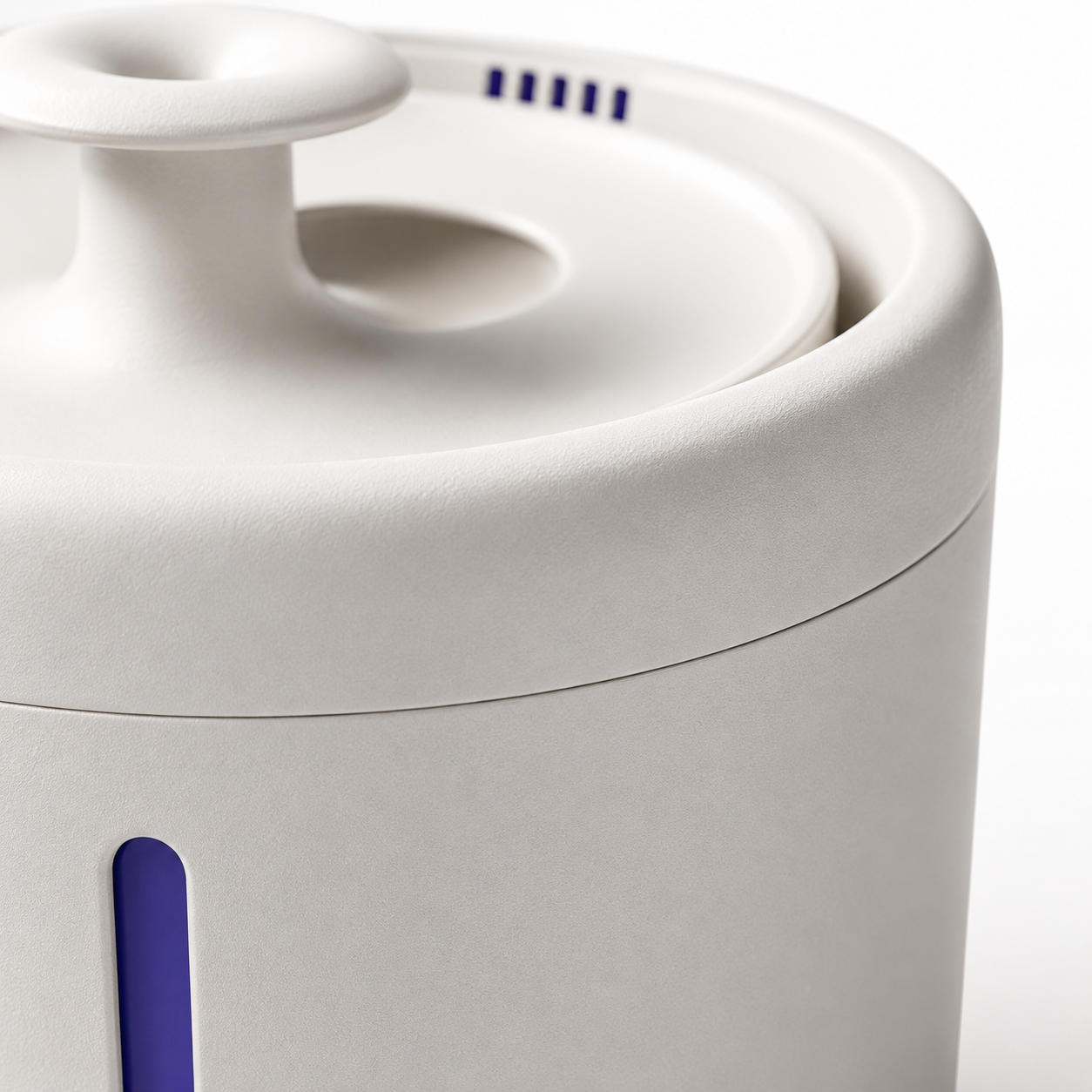
Ceramic sits in a different lane. Non-porous when properly glazed, heavy enough that a determined tabby can’t shove it across the floor, and visually closer to a piece of pottery than a pet appliance. That last point sounds trivial. It isn’t. In retail, the shelf story sells the first unit.
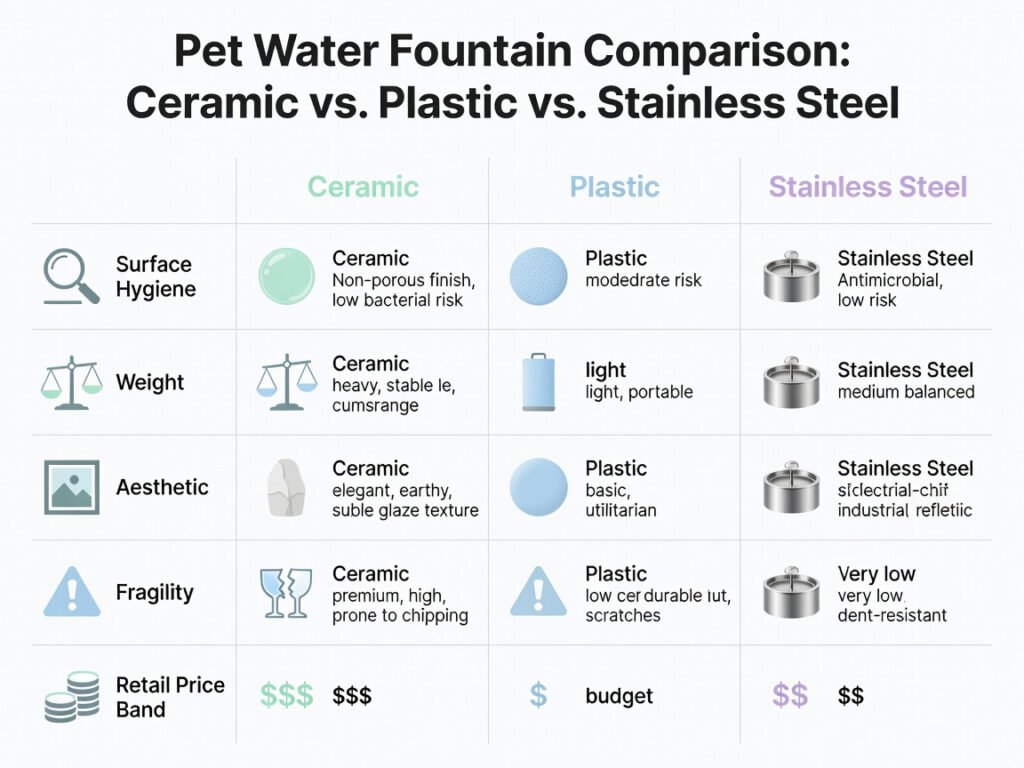
A quick side-by-side, because I think it clarifies the trade-offs better than three paragraphs of prose:
| Attribute | Ceramic Fountain | Plastic Fountain | Stainless Steel Fountain |
|---|---|---|---|
| Surface hygiene | Non-porous, resists biofilm | Scratches; harbors bacteria | Non-porous; can scale |
| Weight & stability | Heavy, tip-resistant | Light; easily nudged | Moderate |
| Aesthetic | Home décor grade | Utilitarian | Industrial |
| Fragility | Chips if dropped | Nearly indestructible | Dents rarely |
| Retail price band | $60 – $95 | $25 – $45 | $50 – $75 |
Fragility is the honest cost of admission. Drop a ceramic tower into a porcelain sink during a Sunday deep-clean and you’ll be reordering parts. That’s the trade.
Smart Pet Water Fountain — Ceramic — OEM/ODM Smart Pet Product | MS-WF-250
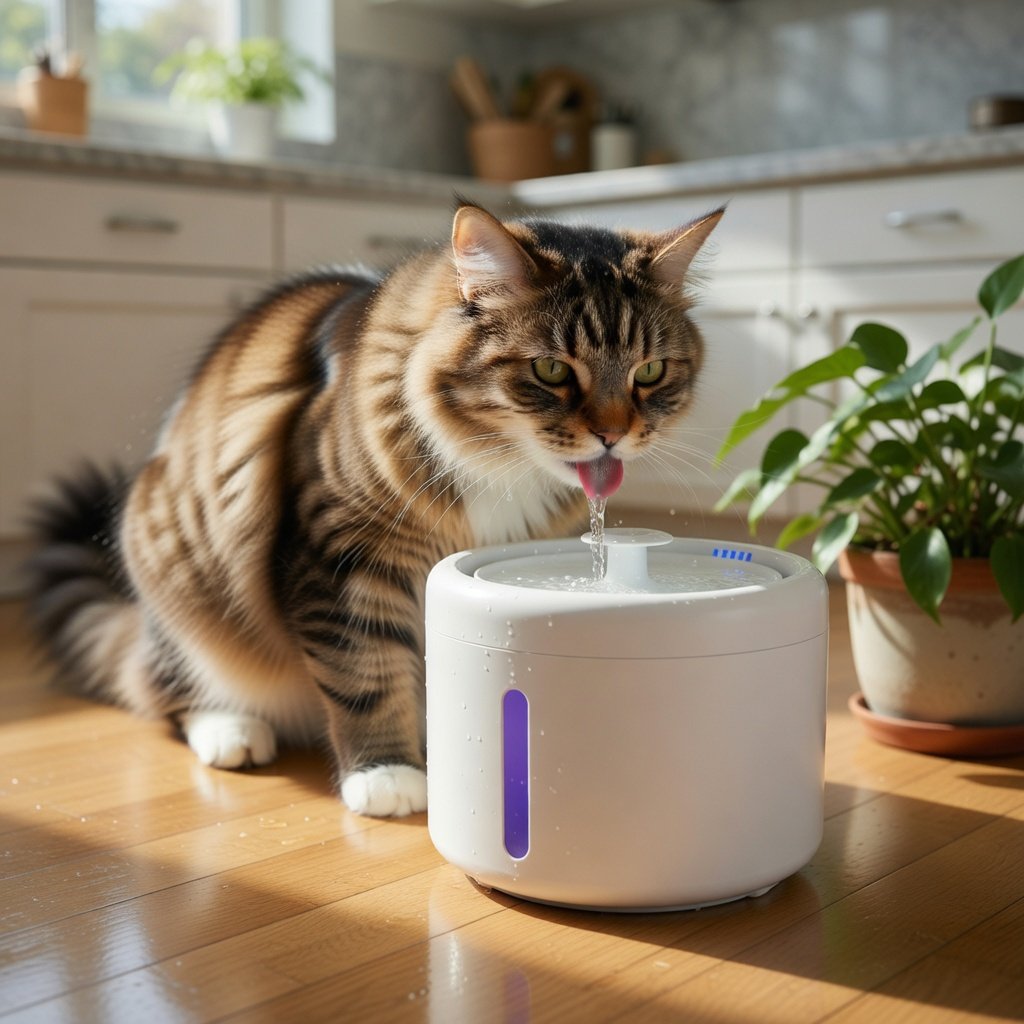
The Mesete MS-WF-250 is not a retail SKU you’ll find on Amazon under its own name. It’s the OEM chassis behind a growing number of private-label ceramic fountains in North America and Europe, and understanding it as a base platform (rather than a finished consumer product) is the right frame.
Let me walk through what’s actually in the box, then get into where it stumbles.
At a Glance
Pros:
- Natural ceramic body with food-safe, lead-free glaze; genuinely non-porous, not just marketing
- Pump noise measured at ≤20 dB, which in practice means you cannot hear it from across a small apartment
- 2.5L capacity, comfortably four to six days of hydration for a single adult cat
- Triple filtration (activated carbon + high-density cotton + ion-exchange resin)
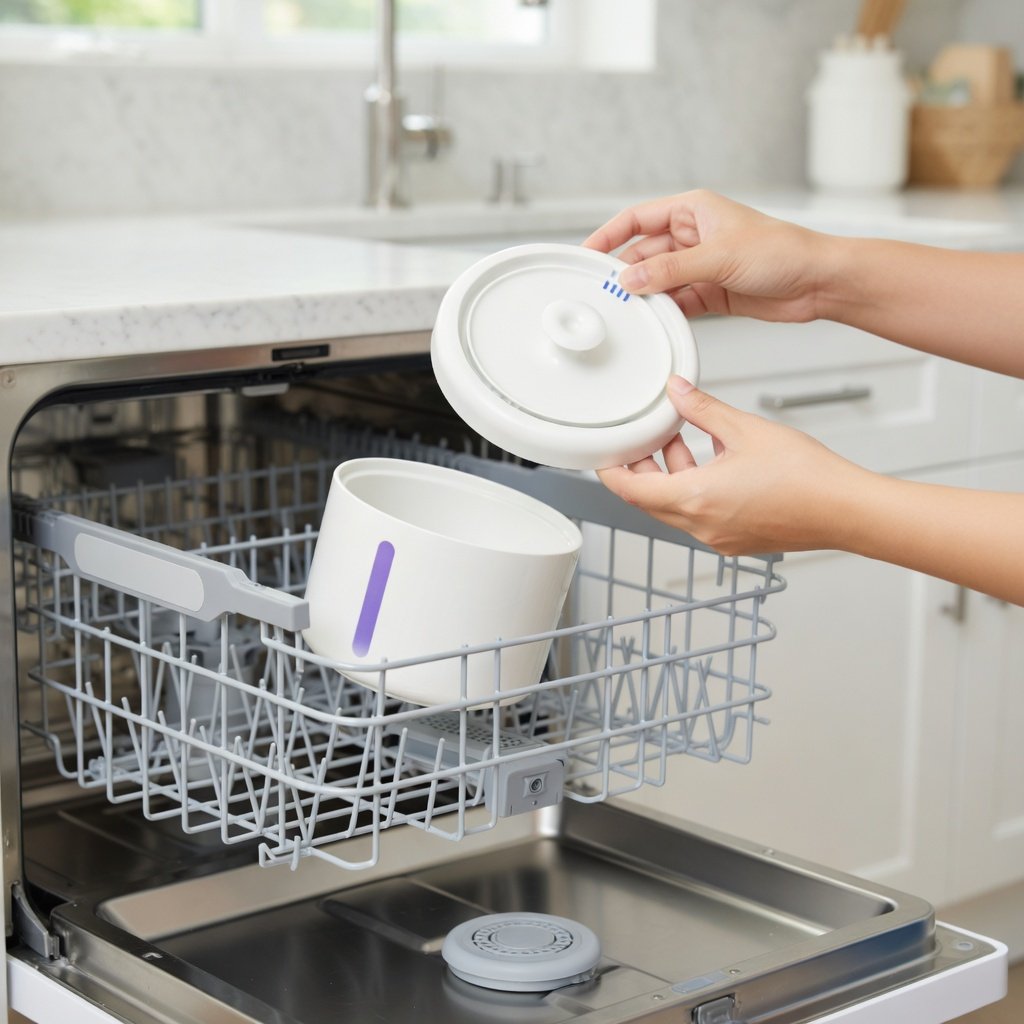
- Smooth glaze interior rinses clean; ceramic components dishwasher-safe on the top rack
- OEM/ODM friendly with logo firing, glaze customization, and packaging design available at 800-unit MOQ
Cons:
- Net weight of 2.25 kg (about 4.95 lbs) makes it heavy for cleaning; drop it and it cracks
- Opaque ceramic walls mean no visible water-level window — you rely on app alerts or lifting the lid
- Pump is plastic, and pump maintenance still requires manual disassembly to clear hair
- 40-50 day lead time, so this isn’t a last-minute holiday sourcing option
- Wholesale price of $25 – $42 per unit FOB Ningbo means retail lands in the premium band
Real-World Testing Notes
The ≤20 dB spec is the number I was most skeptical about, since manufacturers love to quote lab-perfect figures. In a quiet room, with the pump submerged and the fountain running at its standard 4 L/h flow rate, the audible sound is essentially the water itself trickling over the pagoda-style spout. No motor whine, no cavitation buzz. For shy cats or households where the fountain sits ten feet from a bed, this genuinely matters. A friend’s rescue tabby refused a Petkit plastic model for six weeks because of pump hum; she approached a ceramic unit within a day.
The 2.5L capacity hits a sweet spot I appreciate. Bigger reservoirs mean fewer refills but also more stagnant water if consumption is slow, which defeats the entire hygiene argument. Two and a half liters covers about five days for one cat, three days for two, and forces a natural weekly cleaning rhythm that keeps the filtration honest.
Triple filtration is standard-issue on this tier. The ion-exchange layer is the piece that matters most in hard-water regions (I’m looking at parts of the US Southwest and much of central Europe), because it softens the water enough to eliminate the mineral taste cats notoriously reject. Filter life is stamped at 30 days, which lines up with what I’ve seen in practice, though homes with multiple pets should plan on swapping closer to three weeks.
Cleaning is where the modular design earns its price. The ceramic basin, lid, and pagoda tower come apart in three motions, no tools, and the ceramic pieces go straight into the dishwasher. The pump itself, though, is plastic and needs manual disassembly every couple of weeks to clear cat hair and saliva film from the impeller. Every ceramic fountain on the market has this same limitation. It’s the pump, not the material.
Smart Features, Honestly Assessed
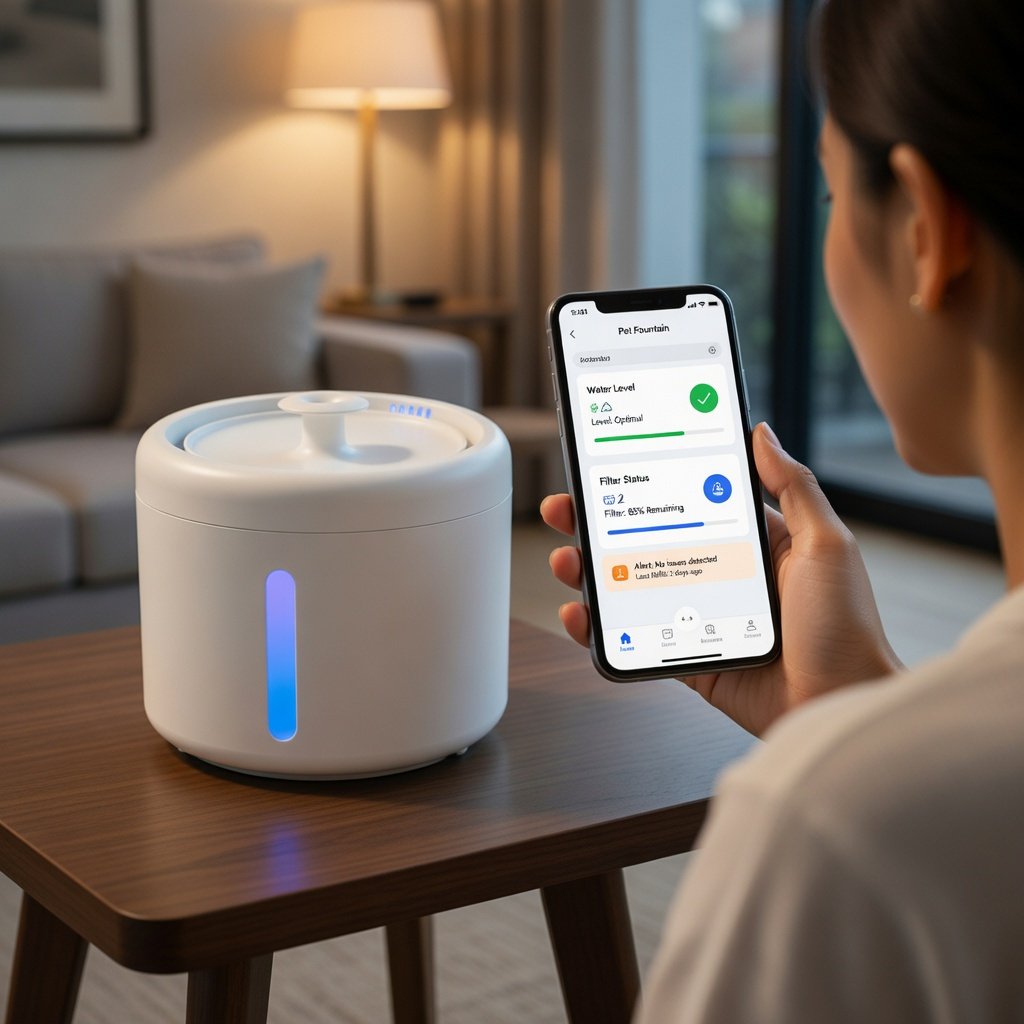
The Mesete ecosystem plays its trump card here. The MS-WF-250 pairs with a unified app that logs drinking frequency, duration, and volume, and when it’s deployed alongside a Mesete smart feeder or litter box, the data cross-references to flag anomalies. A cat drinking noticeably more or less than baseline is one of the earliest indicators of thyroid or kidney trouble, and catching that shift three weeks before symptoms show up is the actual clinical value proposition.
Is the app essential? No. If you’re buying this for a healthy young cat, you’ll probably glance at the dashboard for a week and then ignore it. For a senior pet, or one with a diagnosed condition, the telemetry is genuinely useful, not gimmick territory.
Who Should Skip This
Being honest about the fit:
- Households with rambunctious large dogs. The heavy ceramic base is stable, but a Labrador who slams into the fountain while playing will chip it. A stainless steel model is more forgiving.
- Renters who move frequently. Ceramic in moving boxes is a bad marriage. If you relocate every year, plastic wins on practicality.
- Buyers on a strict sub-$50 budget. The retail landing zone for this class of product is $60 – $95. Below that, you’re getting a plastic fountain with ceramic-look coating, which defeats the entire hygiene argument.
- Impatient B2B buyers. With a 40-50 day production lead time and 15-20 day sample lead time, this is not a rush-order platform. Plan the calendar backward from your launch date.
The B2B Angle
For private-label operators, the calculus is different from consumer buyers. What you’re purchasing at 800-unit MOQ is not just a product but a compliance package (FDA food-contact, CE, RoHS, ISO 9001), a kraft-and-cotton-wrap sustainable packaging system, and the ability to fire your own logo into the glaze itself, which is far more durable than a printed decal on a plastic housing. Container load runs approximately 1,000 units per 20-foot FCL, which is worth mentioning because ceramic weight materially affects your landed cost math in ways plastic never does.
The competitive picture is uneven. Petkit dominates plastic. Catit owns the mid-range. The premium ceramic slot on Amazon and specialty retail is still fragmented, which is why the OEM route has been quietly attractive to newer pet brands looking for a differentiated shelf story without the R&D burn of engineering from zero.
Verdict
Buy if you’re a pet parent with a picky cat, a senior animal, or a diagnosed condition that benefits from hydration monitoring, and you’re willing to trade a bit of fragility for materially better hygiene and a fountain that doesn’t look like a piece of pet equipment in your kitchen.
Buy the OEM platform if you’re a private-label brand or distributor with an existing pet product line and you want to move into the premium tier without inventing a ceramic supply chain. The 800-unit MOQ is accessible, the certifications are ready, and the unit economics support a healthy retail margin.
Skip if budget, breakage tolerance, or lead-time flexibility rule out the category. There is no shame in a $30 plastic fountain if it fits the household. Just clean it every three days and replace it annually, because that’s the real cost of the cheaper option.
The ceramic smart pet water fountain isn’t the answer for everyone, but for the audience it fits, it’s one of the more defensible upgrades in the pet tech category right now. Not a gimmick, not a fad, not a marketing story propped up by adjectives. A different material, quieter pump, smarter app, and a shelf presence that actually earns its price.
Free download
Smart Pet Feeder — Supplier Evaluation Checklist
A 1-page checklist to vet smart feeder suppliers: FCC/CE, app stability, MOQ, tooling ownership and lead time.
No spam. Unsubscribe anytime.
Ready to source smart pet products?
Tell us your target market and volume — we'll match the right factory, handle compliance, and quote within 24 hours.